

Starting & monitoring cats on Senvelgo®
Identifying and maintaining ‘happy diabetic’ patients
Patient selection
Before initiating Senvelgo®, confirm the patient is clinically stable. Cats should be eating, drinking and interacting normally, well hydrated, free from ketonuria and not showing signs of DKA, clinical pancreatitis, cachexia or chronic diarrhoea. These are considered suitable “happy diabetic” candidates for initiation.
Initiating and dosing
Dosing with Senvelgo® is simple as it has a fixed dose rate of 1 mg/kg. The oral dosing syringe is calibrated for the cats body weight in half kg increments. Senvelgo® can be administered directly by mouth or mixed with a small amount of food to ensure that the endure dose is consumed, give at approximately the same time each day. The 12 ml bottle is recommended for initiation and provides approximately 1 month of treatment for a 5 kg cat.
The first two weeks
The priority for the first two weeks is ensure that the cat remains well and to monitor for ketones.
Owners should check urine ketones at home every 1–3 days. Re-examine patients in clinic at 7 and 14 days to assess clinical status, perform physical examination and test for ketones.
If ketones are detected or the cat becomes unwell, suspend Senvelgo®, investigate and manage appropriately. Treatment should only be restarted if clinically suitable. Technical Services support is available for case discussion.
Consult Checklist
Download our handy consult checklist for the first two weeks after starting treatment on Senvelgo®
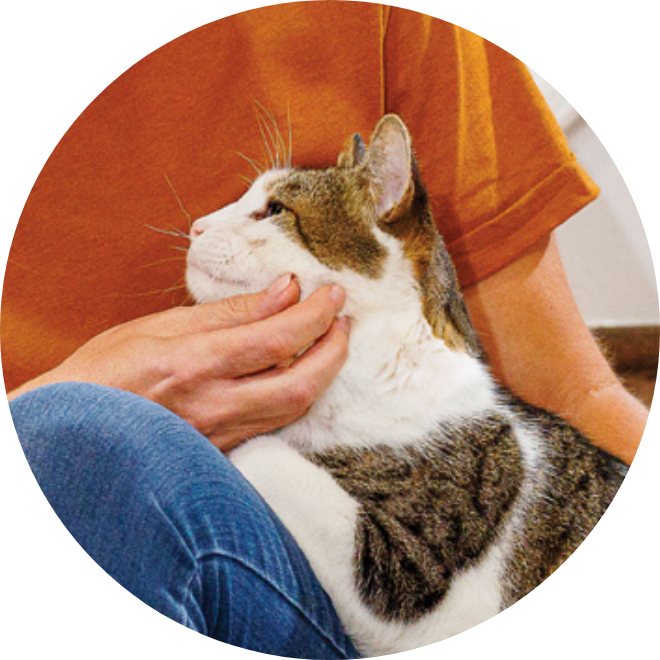
Owners play a key role in early monitoring
They should be encouraged to monitor appetite, thirst, activity and overall wellbeing, and to check urine ketones if any signs of illness arise.
The smaller 12 ml bottle will provide the best value option for starting on Senvelgo®.
This post-prescription cat owner leaflet will provide your clients with support to monitor their cats health and ketones at home.